Regulations detailing the management of chemicals and hazardous chemicals in products and goods.
Date 10-02-2026 Views 311
On January 17, 2026, the Government issued Decree No. 26/2026/ND-CP detailing and guiding the implementation of a number of articles of the Law on Chemicals regarding the management of chemical activities and hazardous chemicals in products and goods.
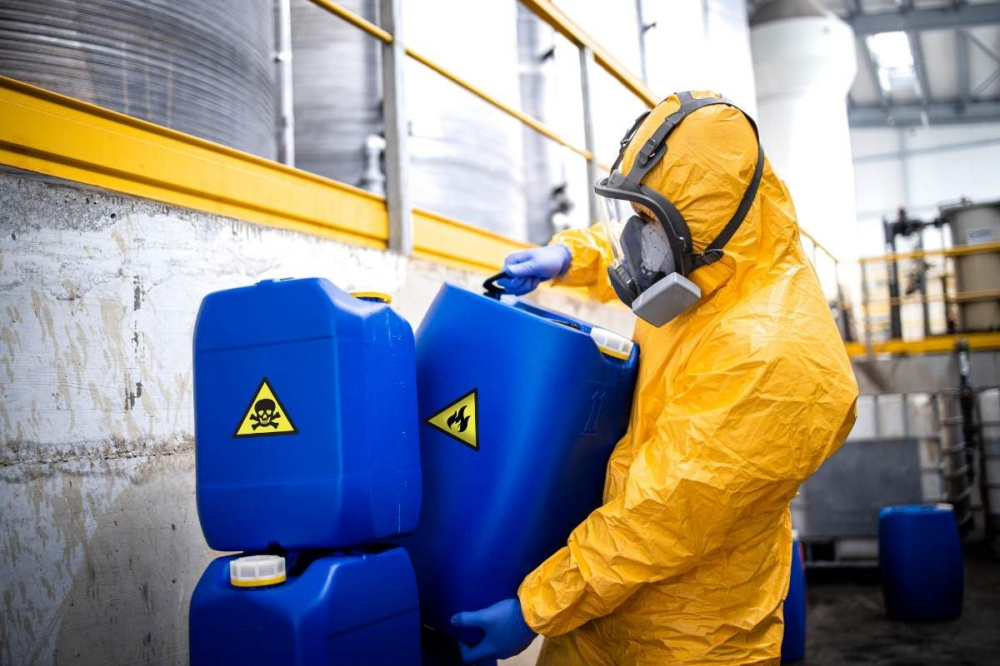
Organizations and individuals producing or importing products containing hazardous chemicals must control hazardous chemicals throughout the production process by establishing and implementing control procedures from the raw material input stage, through production, processing, and mixing, to the final product before distribution.
Decree 26/2026/ND-CP provides detailed regulations and guidance on a number of articles of Chemical LawRegarding the management of chemical activities and hazardous chemicals in products and goods, it includes 16 groups of content: criteria for identifying "toxic substances"; requirements for organizations producing and trading chemicals; obligations of organizations and individuals storing chemicals; regulations on export, import and trading activities related to international trade of chemicals; regulations on registration and management of new chemicals; information security; information provision; building and operating a specialized chemical database; and controlling hazardous chemicals in products and goods.
Classification and identification of "Toxic substances" according to international standards.
The decree specifies the concept of "toxic substances" according to the classification principles of the Globally Harmonized System (GHS), including criteria such as: acute toxicity level 1; eye damage or irritation level 1; corrosive or irritating to the skin level 1A; carcinogenic, mutagenic or reproductively toxic agent level 1A; and environmental hazard level 1.
CAS numbers are used uniformly to identify chemicals in government administration.
Risk-based management tiering, controlling the entire product lifecycle.
Decree 26/2026/ND-CP specifies the conditions for ensuring safety in the production and business of chemicals. Accordingly, organizations operating in the chemical sector must meet requirements regarding workshops and storage facilities suitable to the nature, scale, and level of hazard of the chemicals; have internal regulations and safety warning signs; have equipment and means for responding to incidents; and have production technology that meets safety requirements. The person responsible for chemical safety must have appropriate professional qualifications and receive chemical safety training as prescribed.
Based on the level of risk, chemical activities are classified to apply the corresponding management mechanisms.
Forconditional chemicals,Organizations engaged in the production and trading of chemicals must be granted a Certificate of Eligibility, meeting requirements regarding facilities, safe operating procedures, storage conditions, and the professional qualifications of the person in charge of chemical safety.
Chemicals requiring special control It is managed by a license, accompanied by requirements for a plan to control and prevent loss, and to monitor the type, quantity, and purpose of use.
For conditional chemicalsProduction and importation are only permitted in special cases such as scientific research, healthcare, national defense, security, or as assigned by the Government, with scale and output limited according to regulations.
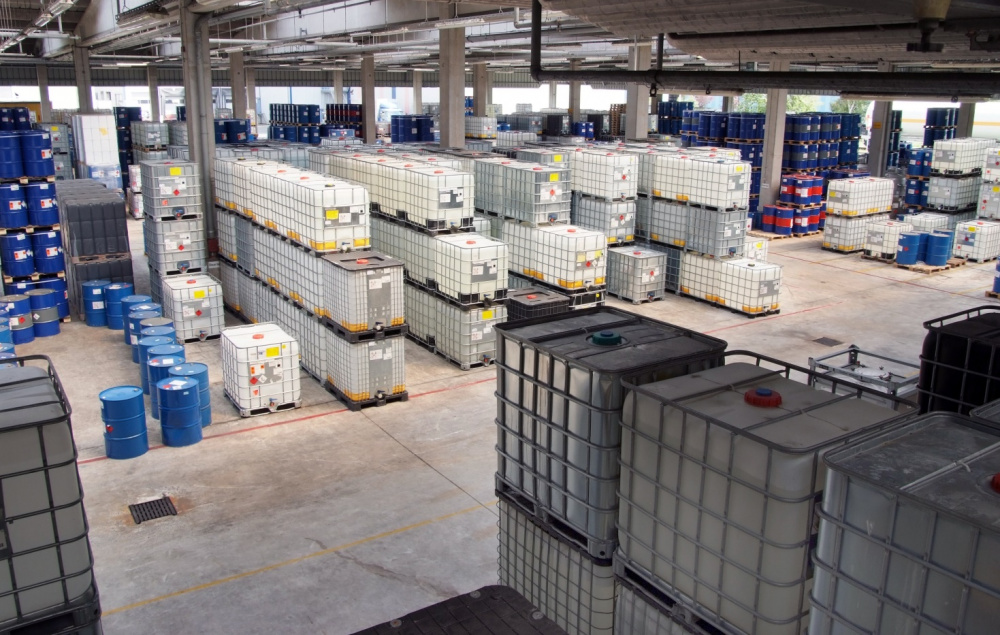
The decree supplements regulations regarding chemical storage services.. Accordingly, organizations providing chemical storage services must be granted a Certificate of Eligibility to operate chemical storage services; the storage facilities must meet technical, safety, and fire prevention requirements appropriate to each type of chemical stored. This regulation takes effect from July 1, 2026.
Organizations providing chemical storage services must be granted a Certificate of Eligibility to operate chemical storage services; the storage facilities must meet technical, safety, and fire prevention requirements appropriate to each type of chemical stored.
For import and export activities, organizations and individuals must declare imported chemicals through the National Single Window Portal before customs clearance. The declared information is connected and shared with the specialized chemical database to serve management, inspection, and post-clearance purposes. While some cases are exempt from declaration requirements, organizations and individuals remain responsible for the accuracy of the information and the intended use of the chemicals.
For prohibited chemicals and chemicals requiring special control, production, trading, export, and import activities are only permitted with a license from the competent authority. The Decree specifies limits on production volume, equipment scale, and technical requirements for chemicals on the controlled list under the Chemical Weapons Convention.
Operating the specialized chemical database.
The decree stipulates the registration and evaluation procedures for new chemicals before production or import through an evaluation council as prescribed. Chemical lists from several international organizations such as the European Chemicals Agency (ECHA), the United States Environmental Protection Agency (EPA), and the Japanese Ministry of Economy, Trade and Industry (METI) are recognized as reference points in management.
Ministry of Industry and TradeIt is the lead agency operating the specialized chemical database, serving electronic declaration and licensing, statistics, and data sharing among ministries, sectors, and localities in managing chemical activities nationwide.
For chemicals requiring special control, the Ministry of Public Security is leading the development of a system for authenticating, identifying, and tracing the origin of chemicals based on electronic identification.
Obligation to control production and disclose information on hazardous chemicals in products and goods.
Decree 26/2026/ND-CP stipulates that organizations and individuals producing or importing products and goods containing hazardous chemicals must control hazardous chemicals throughout the production process. This control is implemented through the development and application of hazardous chemical control procedures, from the input raw materials stage, through production, processing, and mixing, to the final product before distribution.
Hazardous chemical control procedures must track the types and concentrations of hazardous chemicals at each stage of the process and in the final product.
Before circulating, organizations and individuals producing or importing hazardous chemicals must publish information about them in the specialized database. hóa chất. The declared information includes the name of the hazardous chemical, its hazardous properties, and the concentration of the hazardous chemical in the product. The declared information must be consistent with the results of quality control during production, and the responsible party is accountable for the accuracy of the declared content.
In addition to being published in the specialized chemical database, information about hazardous chemicals must be displayed on product labels as required by law before the product is put into circulation.
Decree 26/2026/ND-CP takes effect from the date of signing (January 17, 2026), and simultaneously replaces Decree No. 113/2017/ND-CP and Decree No. 82/2022/ND-CP. Licenses issued under previous regulations will continue to be valid until their expiration date or until December 31, 2027, whichever comes first. The declaration of hazardous chemical content in products and goods must be completed before March 1, 2026.
The Ministry of Industry and Trade also promptly issued two Circulars: Circular No. 01/2026/TT-BCT dated January 17, 2026, issued by the Minister of Industry and Trade, detailing and guiding the implementation of some articles of the Law on Chemicals and Decree No. 26/2026/ND-CP; and Circular No. 02/2026/TT-BCT dated January 17, 2026, issued by the Minister of Industry and Trade, stipulating some measures for the implementation of the Law on Chemicals and Decree No. 25/2026/ND-CP.